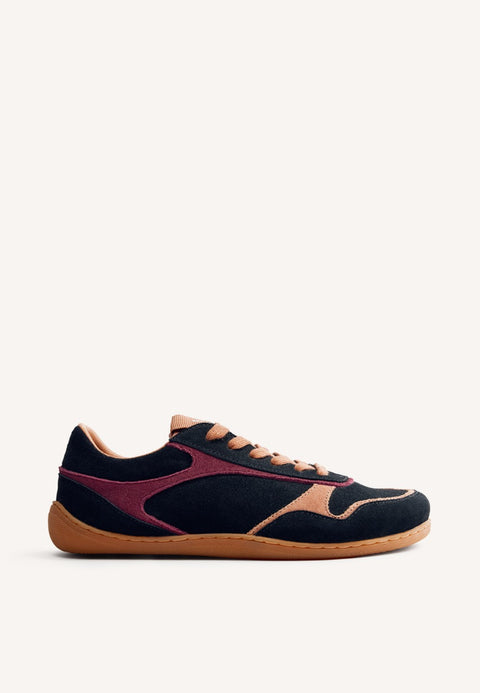
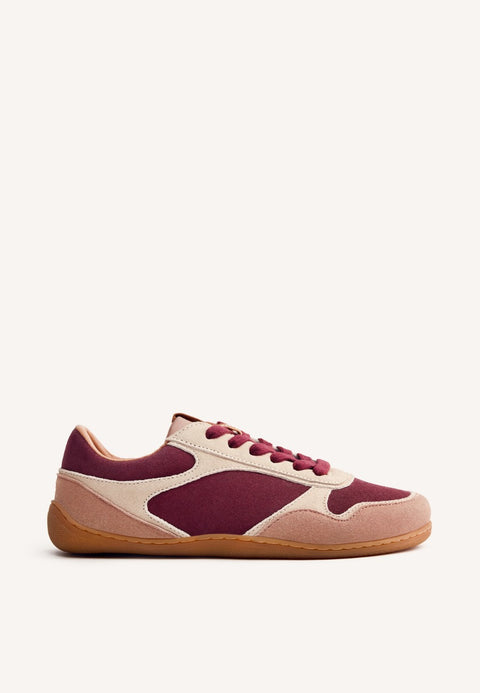
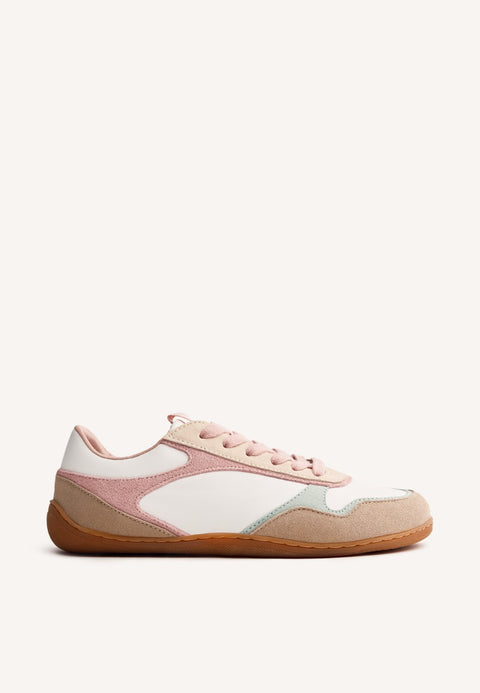
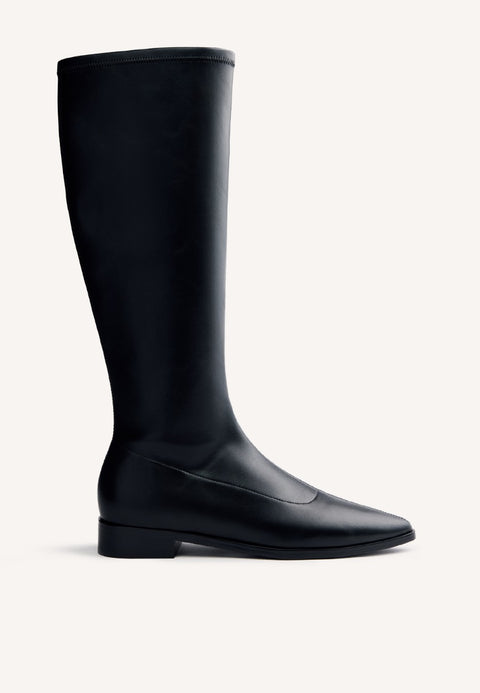
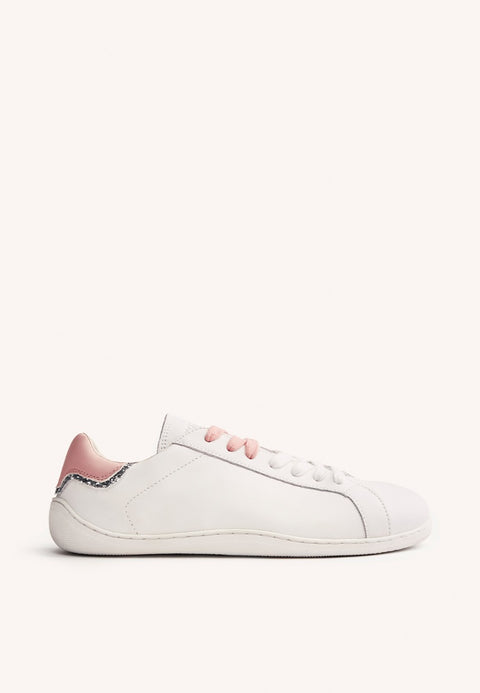
BACK TO SCHOOL BAREFOOT


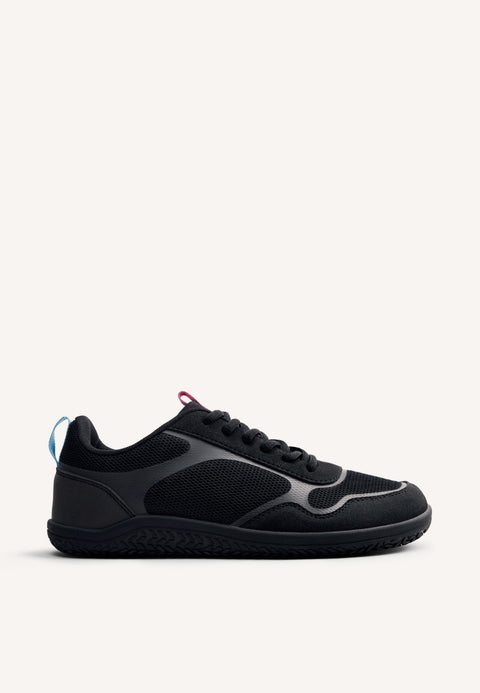
GIOSEPPO BAREFOOT - SNEAKERS CANLAON
49,95€


GIOSEPPO BAREFOOT - SNEAKERS CANLAON
49,95€
GIOSEPPO BAREFOOT - SNEAKERS CANLAON
49,95€
GIOSEPPO BAREFOOT - SNEAKERS CANLAON
49,95€


BLUE BAREFOOT SNEAKERS
49,95€


PINK BAREFOOT SNEAKERS
49,95€


GIOSEPPO BAREFOOT - SNEAKERS EDET
49,95€


GIOSEPPO BAREFOOT - SNEAKERS EDET
49,95€


PINK BAREFOOT SNEAKERS
49,95€
BLUE BAREFOOT SNEAKERS
49,95€


BAREFOOT BLUE LEATHER SNEAKERS
49,95€


BAREFOOT BURGUNDY LEATHER SNEAKERS
49,95€


GIOSEPPO BAREFOOT - SNEAKERS DARFUR
54,95€


GIOSEPPO BAREFOOT - SNEAKERS DARFUR
54,95€


GIOSEPPO BAREFOOT - SNEAKERS DARFUR
54,95€


WHITE BAREFOOT SNEAKERS
54,95€


GREY BAREFOOT SNEAKERS
54,95€


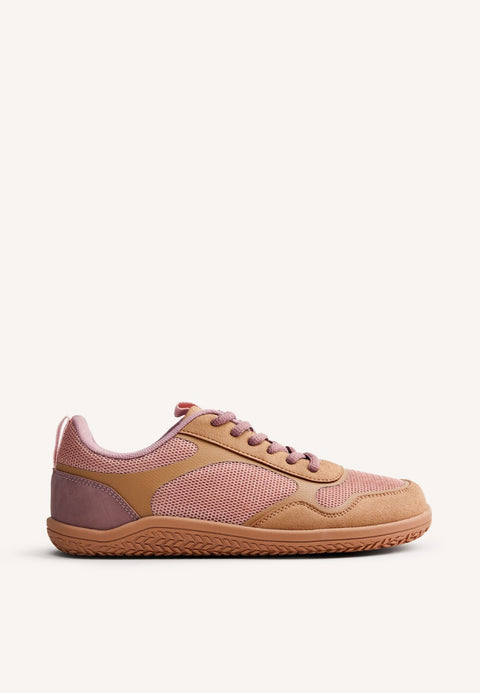
BAREFOOT SNEAKERS IN BEIGE AND PINK
49,95€


BAREFOOT SNEAKERS BEIGE AND BLUE
49,95€
GIOSEPPO BAREFOOT - SNEAKERS DARFUR
54,95€
GIOSEPPO BAREFOOT - SNEAKERS DARFUR
54,95€
GIOSEPPO BAREFOOT - SNEAKERS DARFUR
54,95€
BAREFOOT SNEAKERS BEIGE AND BLUE
49,95€
BAREFOOT SNEAKERS IN BEIGE AND PINK
49,95€
GIOSEPPO BAREFOOT - SNEAKERS DARFUR
54,95€
GIOSEPPO BAREFOOT - SNEAKERS DARFUR
54,95€
GIOSEPPO BAREFOOT - SNEAKERS DARFUR
54,95€
GREY BAREFOOT SNEAKERS
54,95€
WHITE BAREFOOT SNEAKERS
54,95€


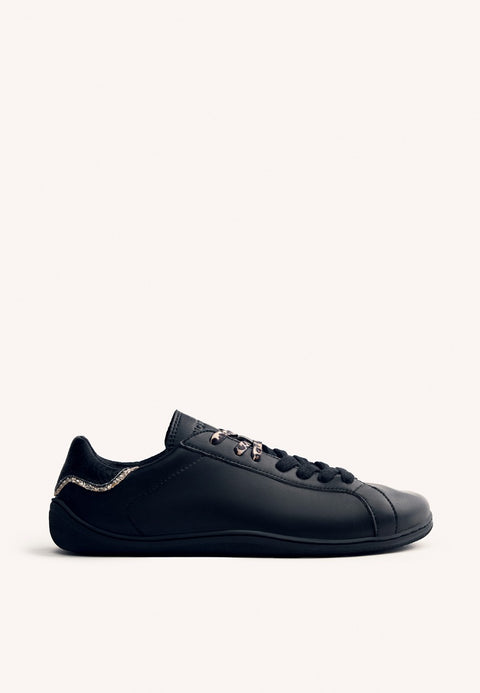
GIOSEPPO BAREFOOT - LEATHER SNEAKERS ONEKAMA
57,95€
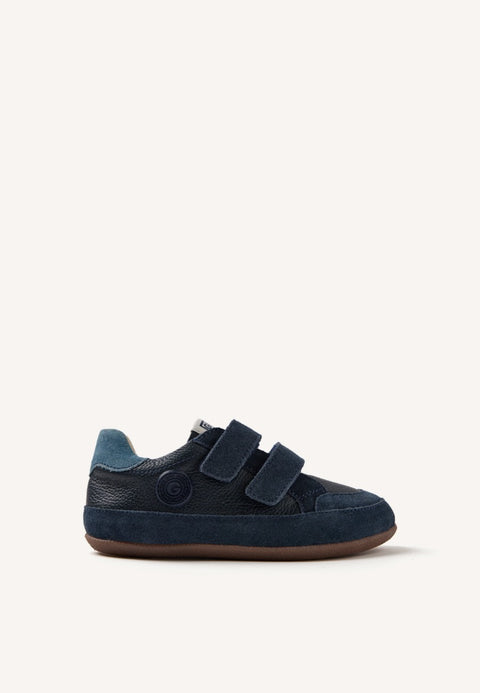
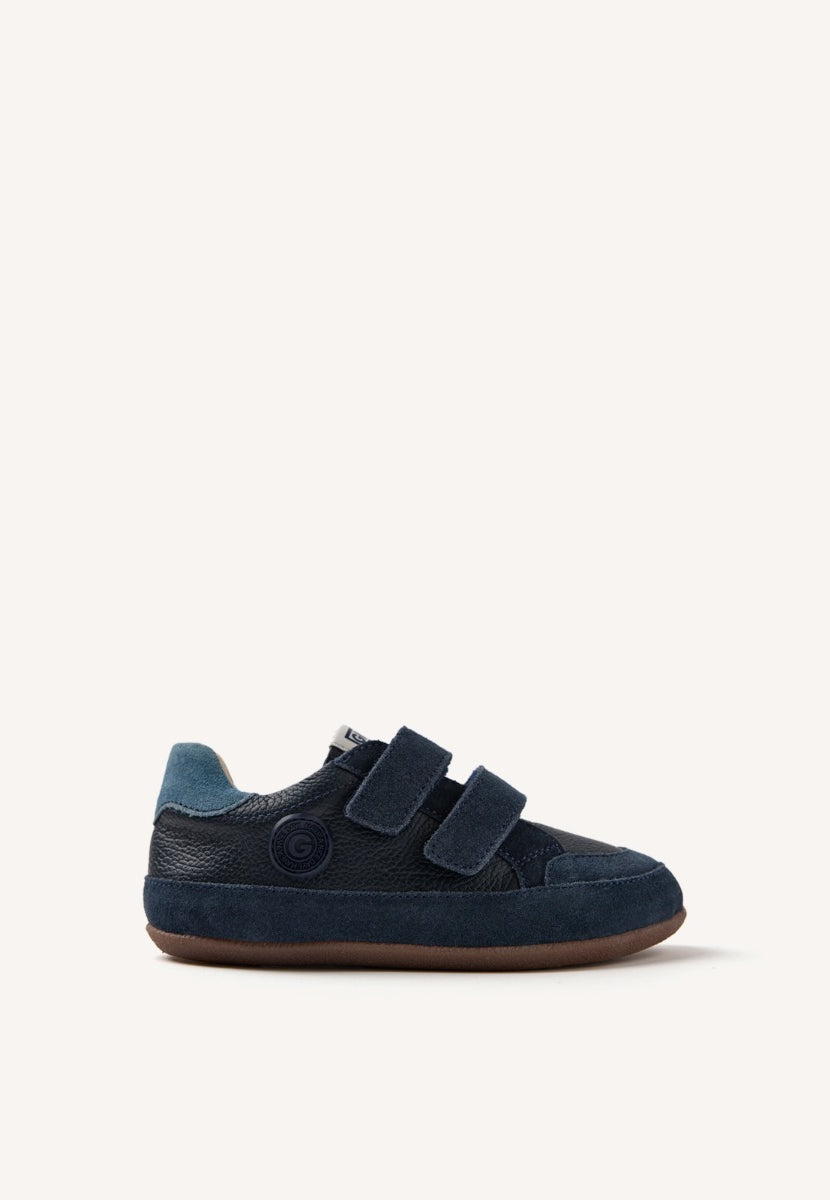
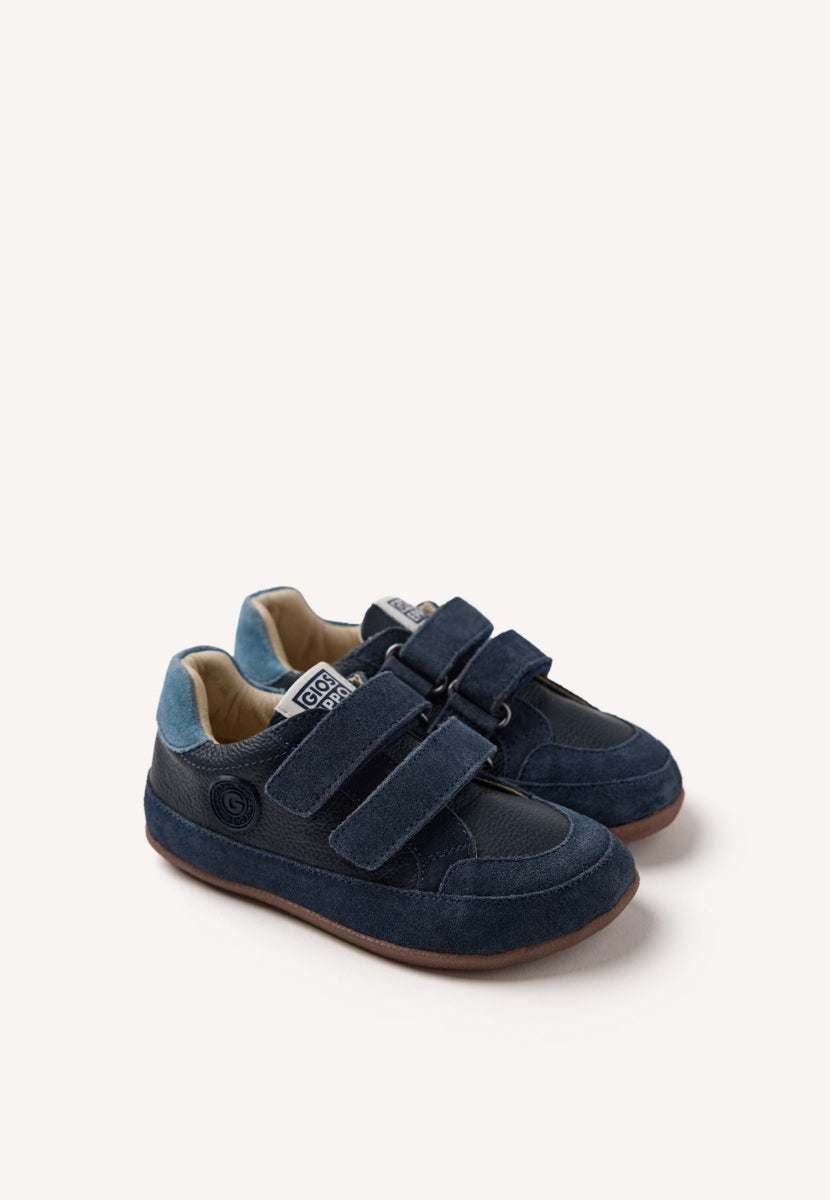
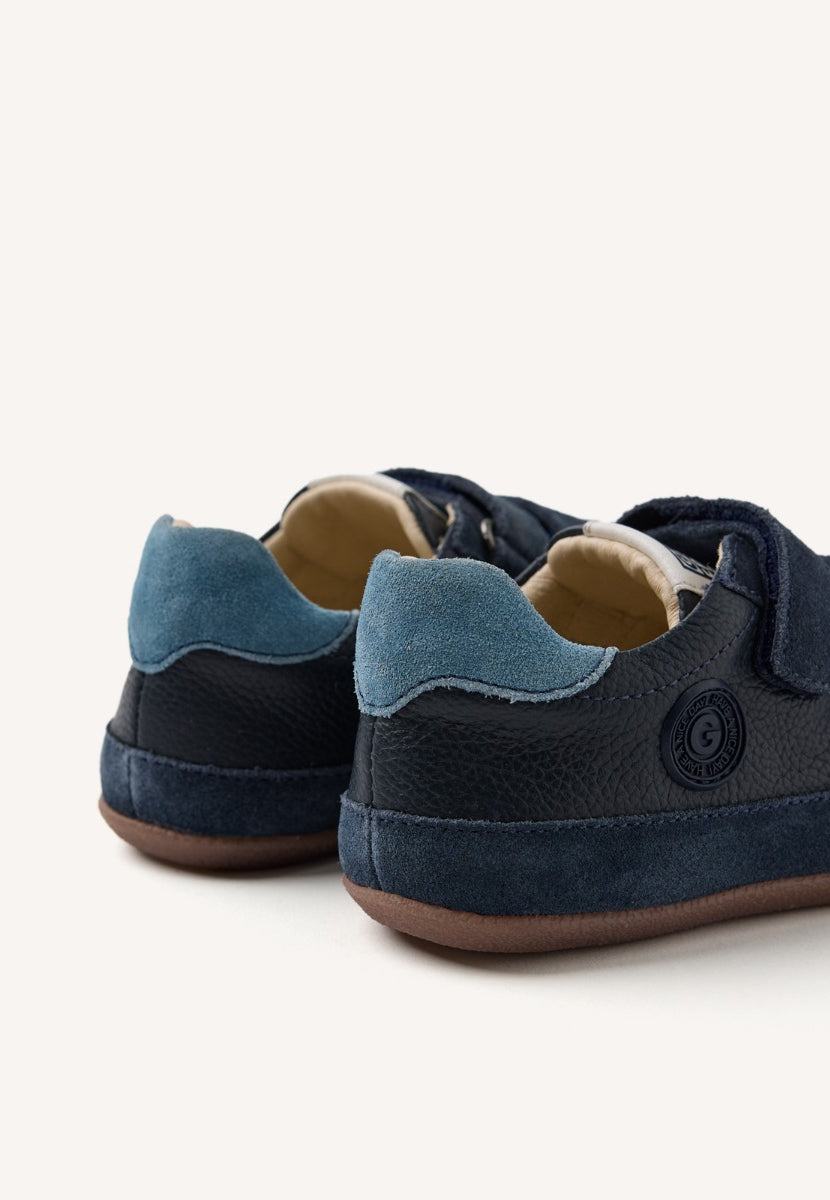
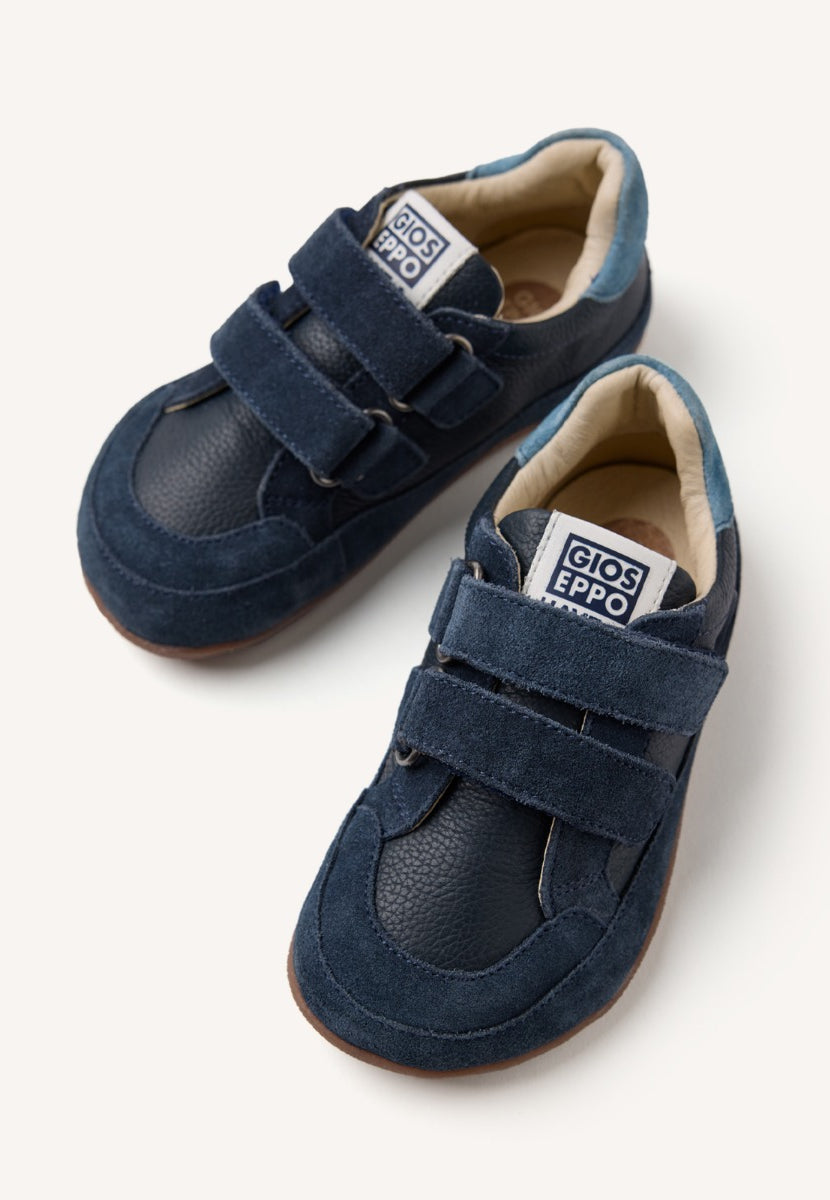
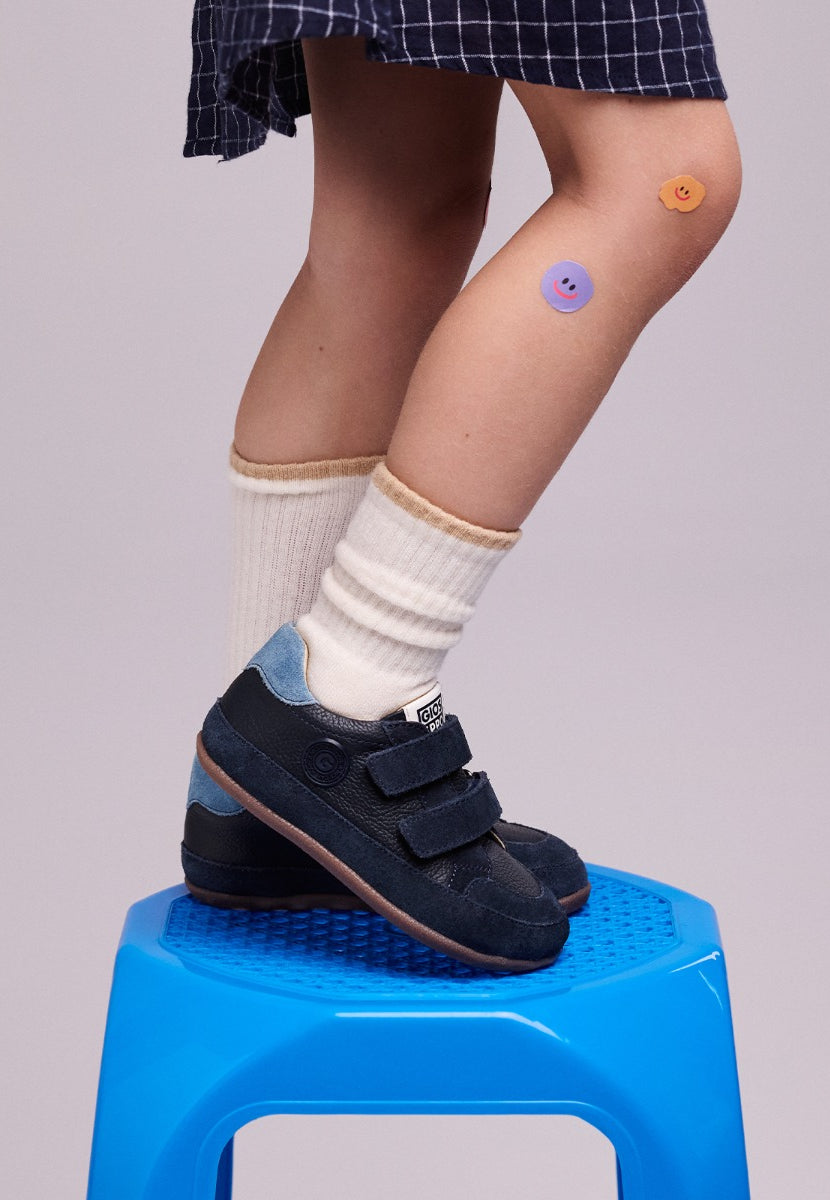
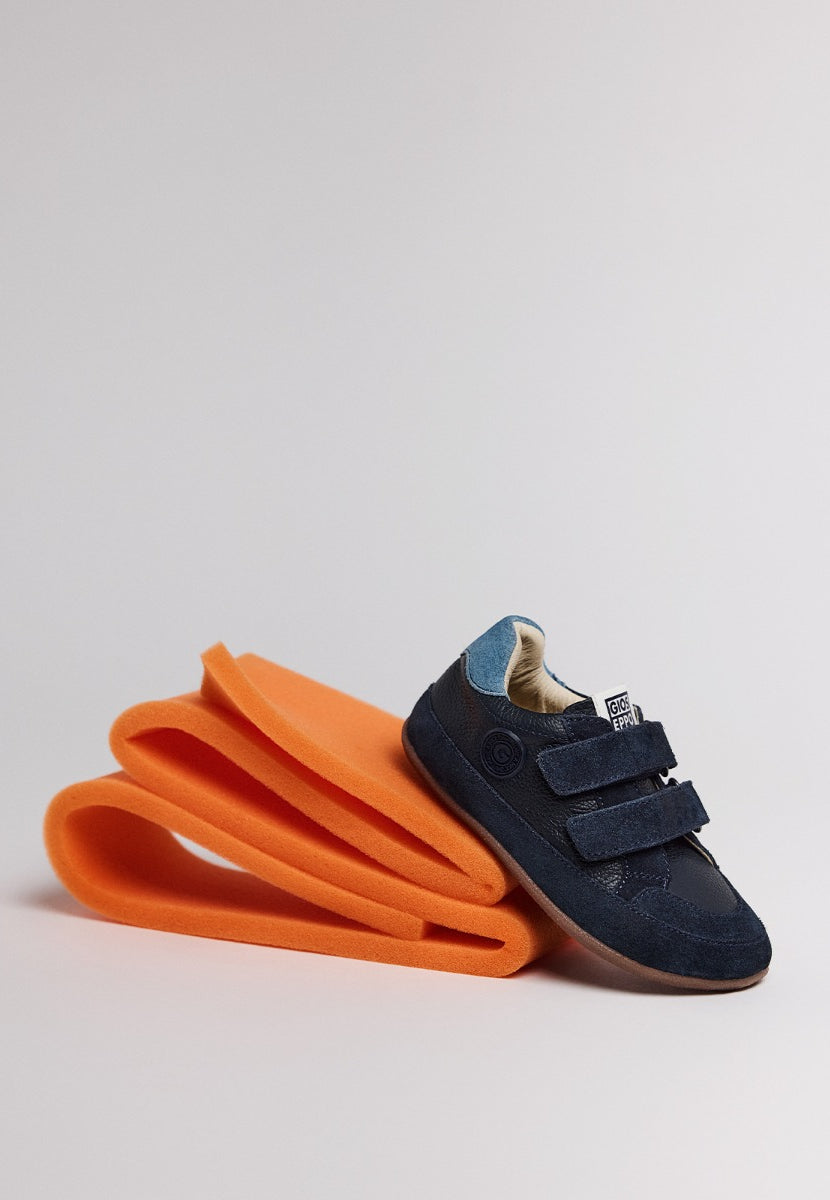

GIOSEPPO BAREFOOT - LEATHER SNEAKERS ONEKAMA
57,95€
GIOSEPPO BAREFOOT - LEATHER SNEAKERS ONEKAMA
57,95€
GIOSEPPO BAREFOOT - LEATHER SNEAKERS ONEKAMA
57,95€
What if school could also be a place to care for their feet? Gioseppo’s barefoot school shoes are designed to offer girls and boys a natural, free, and comfortable stride throughout the entire school day. Classic style, modern functionality, and the respect their feet need to grow properly.
Comfortable and foot-friendly barefoot school shoes
Good school footwear should support, not restrict. Barefoot school shoes respect the anatomy of children’s feet: thin, flexible soles with no rigid structures. This allows foot muscles to activate and strengthen, promoting a more stable and healthy stride.
With a wide toe box and soft materials, they allow toes to move freely and prevent unnecessary pressure. Perfect for long days of classes, recess, and constant activity — without compromising on comfort.
Buy barefoot school shoes for everyday wear
Designed to withstand the daily rhythm of school life, barefoot school shoes combine durability and comfort. Thanks to resistant and breathable materials, they keep feet fresh and protected all day long.
Easy to put on and take off, with secure fastenings and a simple design that complies with school uniform codes, they are the ideal option for active children. At Gioseppo, we know that good footwear makes a difference in their everyday life.
Minimalist and flexible barefoot school shoes
With a minimalist and flexible design, these shoes adapt to the foot like a second skin. Natural movement is never interrupted, and every step helps develop better posture and balance.
Free from unnecessary embellishments and finished with elegant details, Gioseppo’s barefoot school shoes are the perfect fusion of functionality, style, and respect for children’s growth. A conscious choice for parents who want the very best for their children — at school too.
Frequenly questions
What is the difference between barefoot and more structured footwear?


What does zero drop mean?
Is the sole flexible?
Does it have any stiffeners or rigid reinforcements?
Why is the toe box wider?
Is the insole removable?
Should I choose my usual size?
How should I measure my foot?
Can I wear barefoot shoes if I’ve never worn them before?
What sort of occasions are barefoot shoes recommended for?