SNEAKERS BAREFOOT


BROWN LEATHER BAREFOOT BOAT SHOES
59,95€


BLUE LEATHER BAREFOOT BOAT SHOES
59,95€


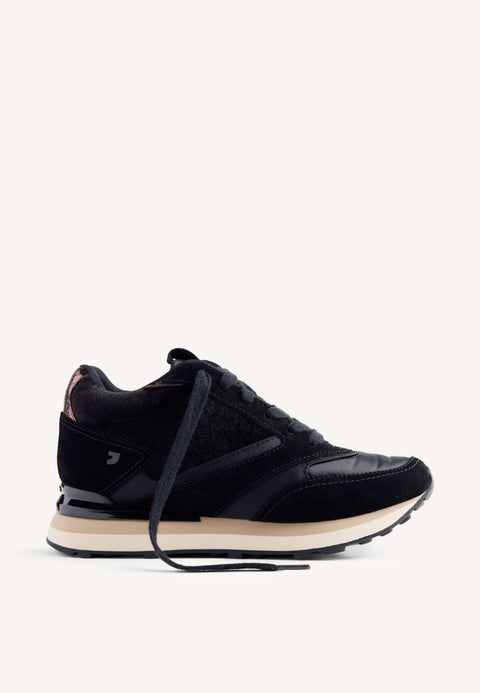
GIOSEPPO BAREFOOT - SHINE SNEAKERS ECORSE
49,95€


GIOSEPPO BAREFOOT - SHINE SNEAKERS ECORSE
49,95€


GIOSEPPO BAREFOOT - SNEAKERS ERITH
49,95€

GIOSEPPO BAREFOOT - SNEAKERS ERITH
49,95€


ANIMAL PRINT BAREFOOT SPORTY BALLET FLATS
49,95€


GIOSEPPO BAREFOOT - SNEAKERS DARFUR
54,95€


GIOSEPPO BAREFOOT - SNEAKERS DARFUR
54,95€


GIOSEPPO BAREFOOT - SNEAKERS DARFUR
54,95€


WHITE BAREFOOT SNEAKERS
49,95€


GREY BAREFOOT SNEAKERS
49,95€


GREY BAREFOOT SNEAKERS
49,95€
WHITE BAREFOOT SNEAKERS
49,95€
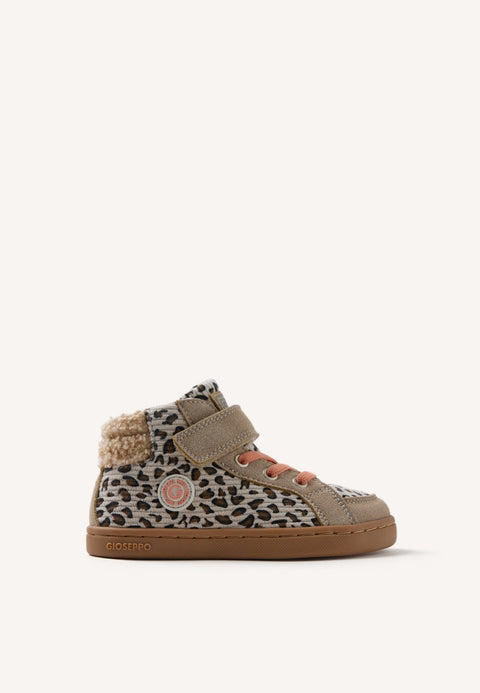
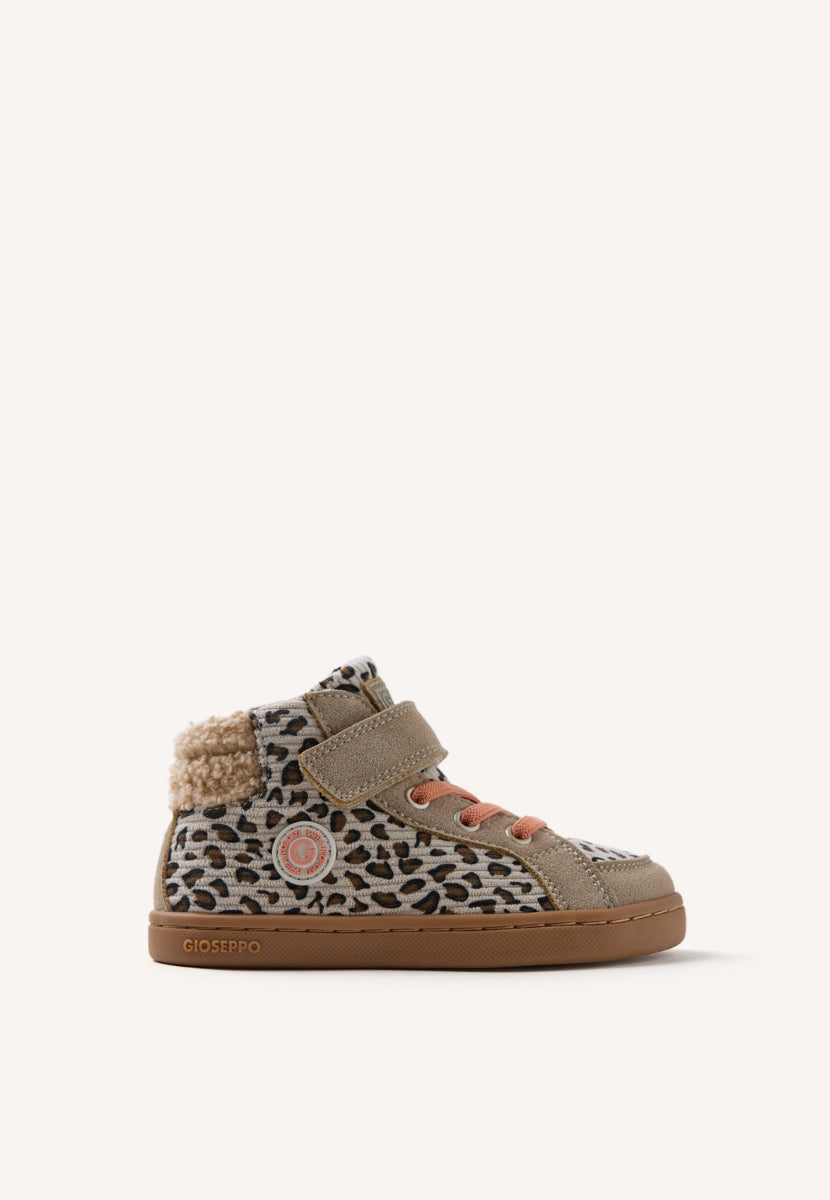
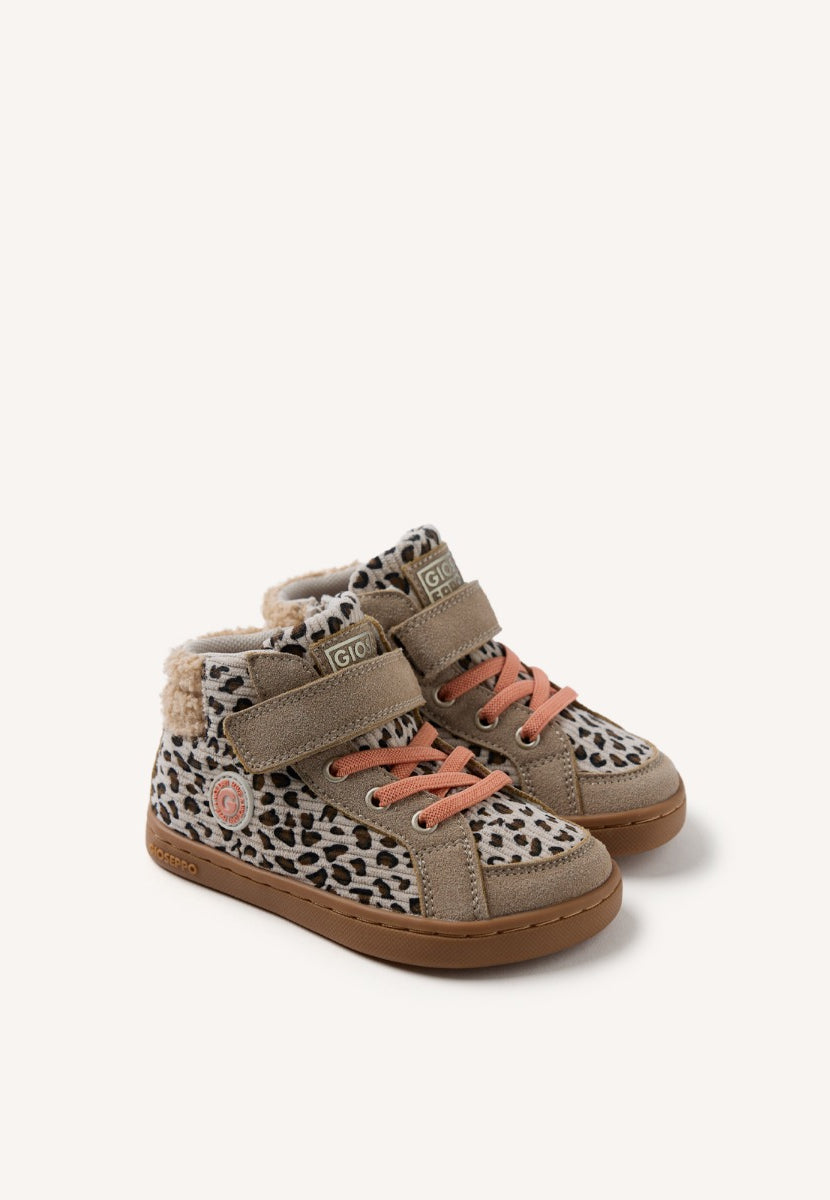
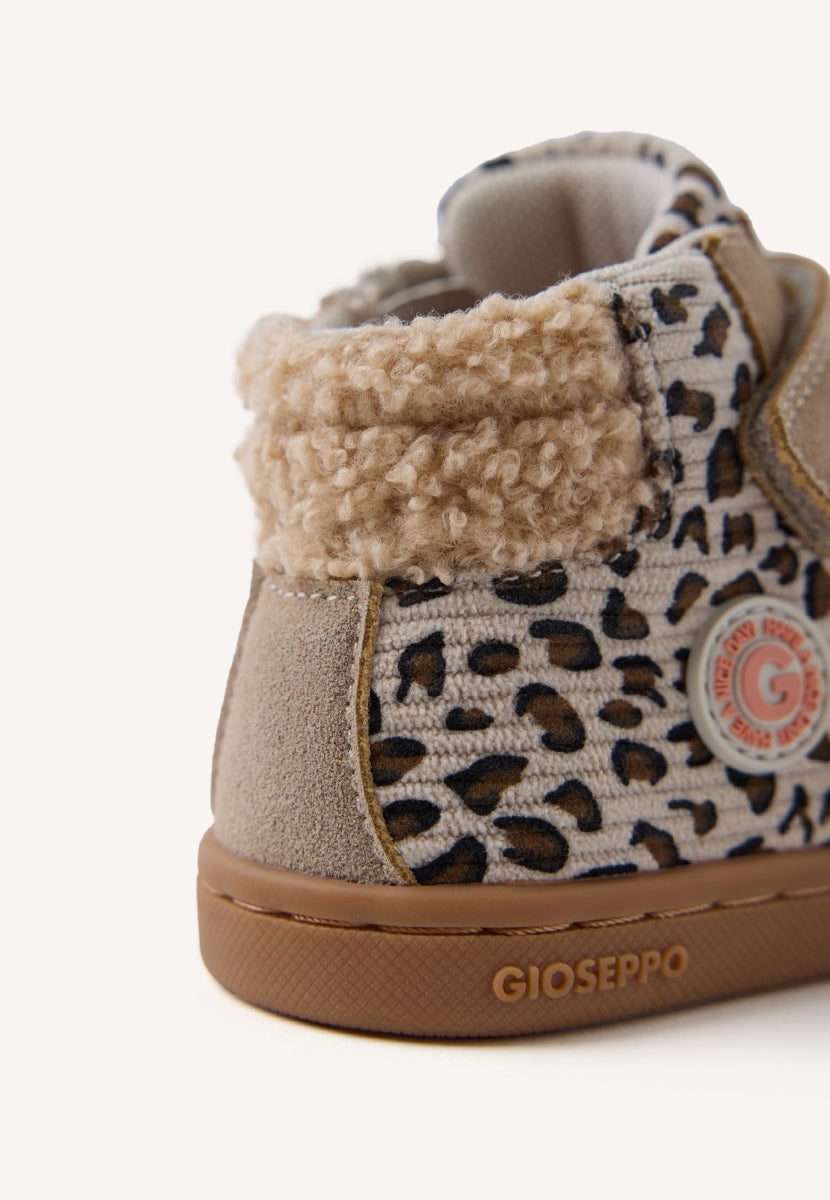
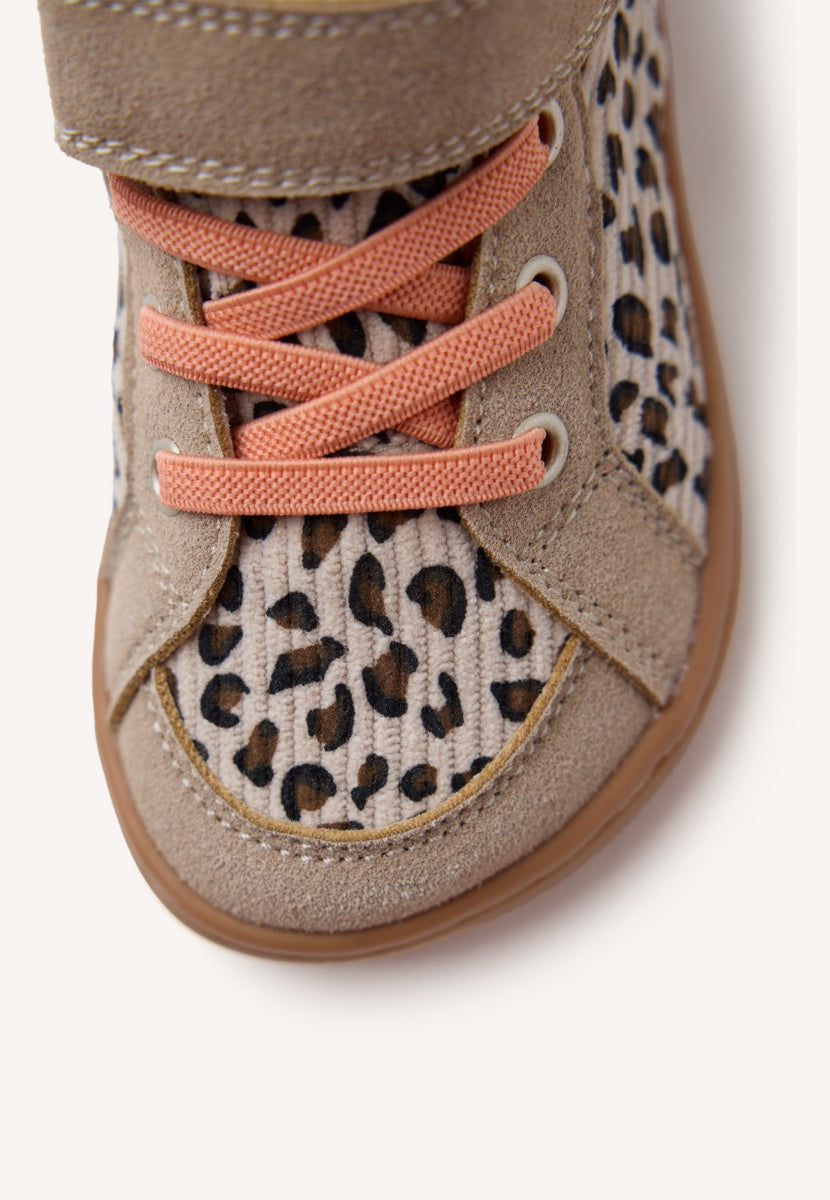
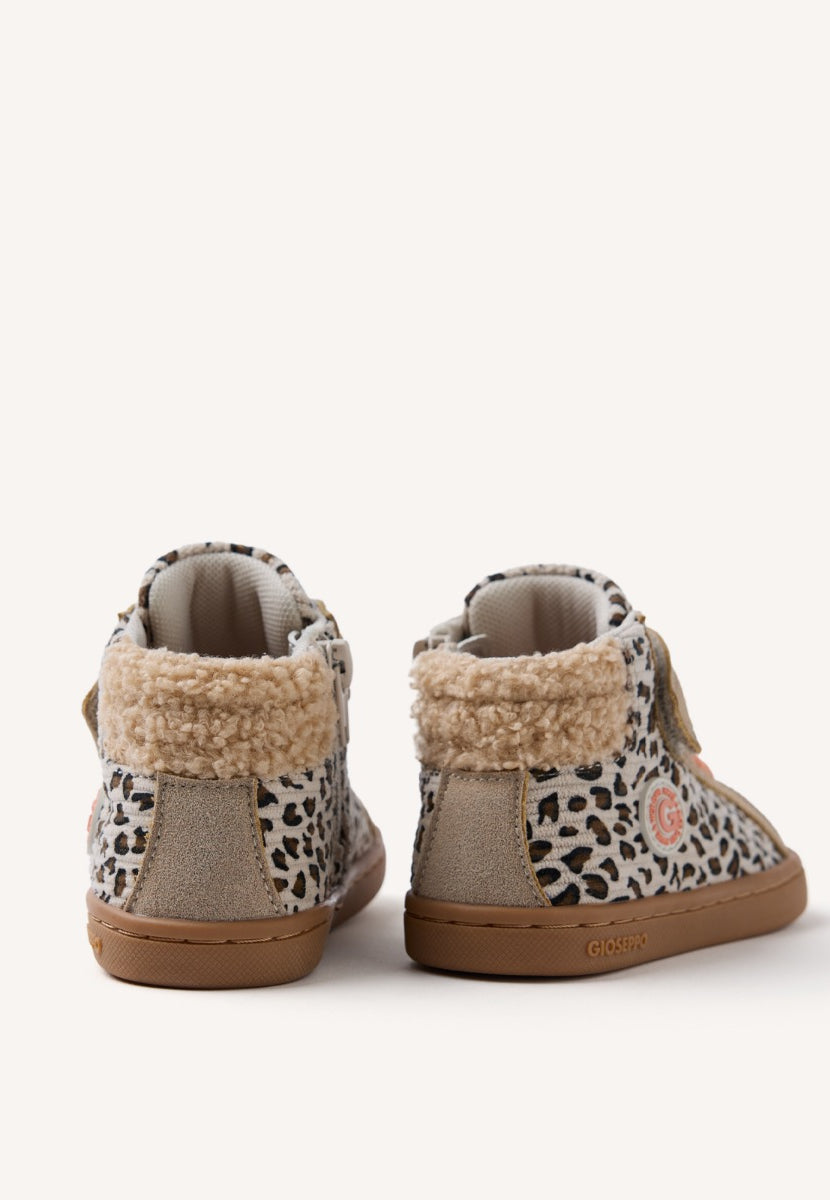
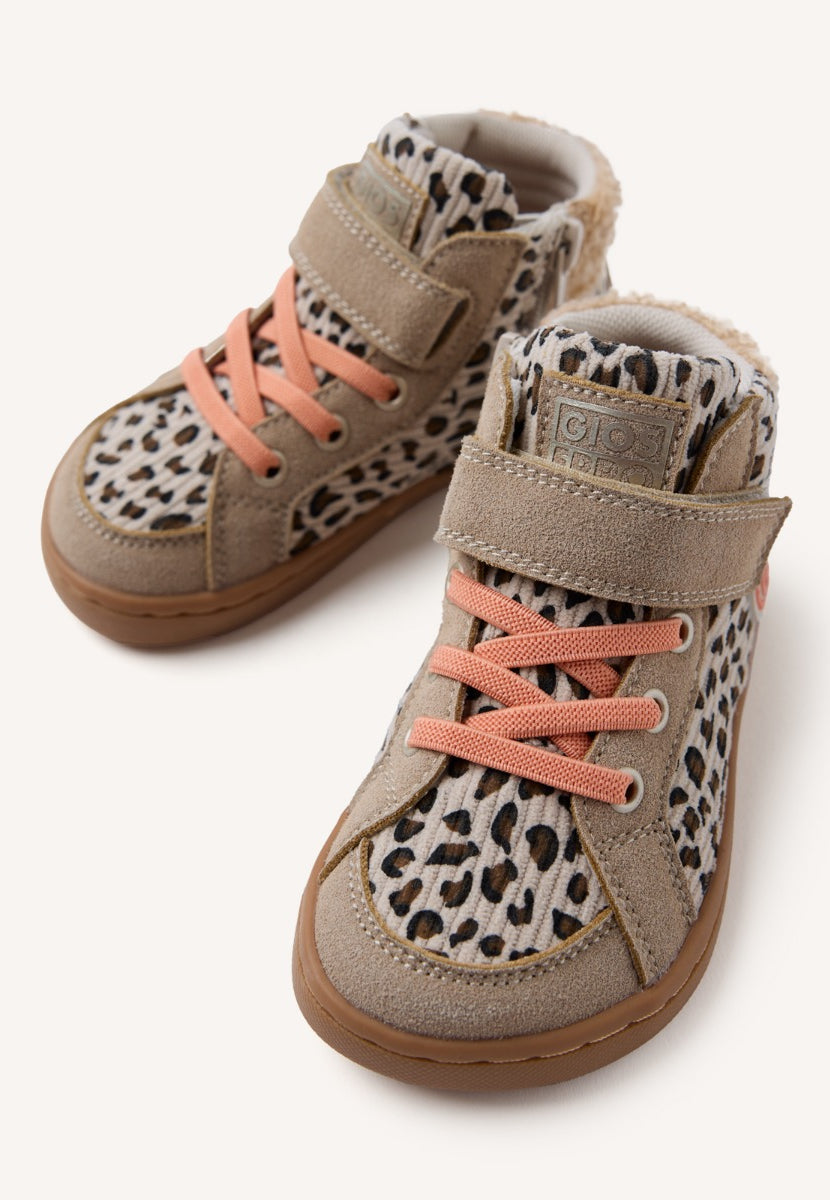


GIOSEPPO BAREFOOT - SNEAKERS CANLAON
49,95€


GIOSEPPO BAREFOOT - SNEAKERS CANLAON
49,95€
GIOSEPPO BAREFOOT - SHINE SNEAKERS ECORSE
49,95€
GIOSEPPO BAREFOOT - SHINE SNEAKERS ECORSE
49,95€
GIOSEPPO BAREFOOT - SNEAKERS CANLAON
49,95€
GIOSEPPO BAREFOOT - SNEAKERS CANLAON
49,95€

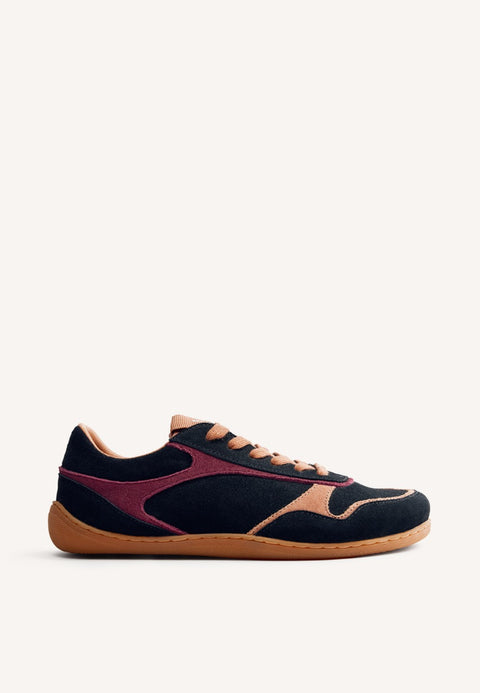
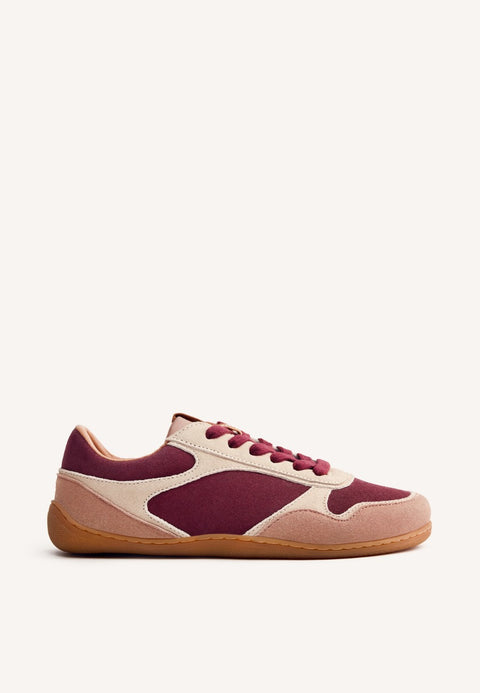
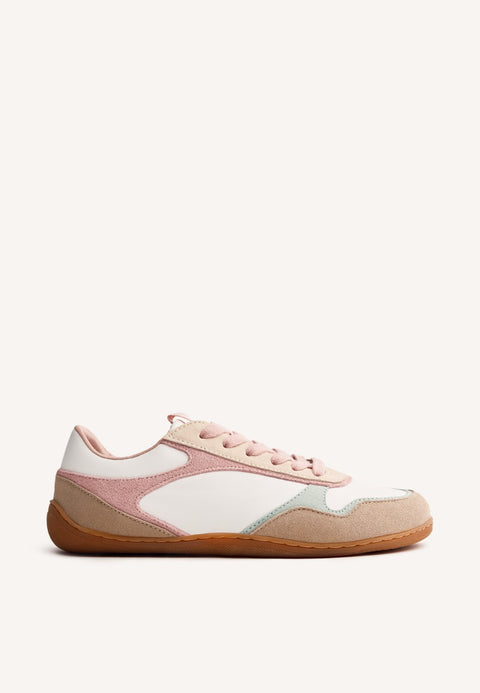
GIOSEPPO BAREFOOT - SNEAKERS BOULDER
49,95€


GIOSEPPO BAREFOOT - SNEAKERS BOULDER
49,95€


GIOSEPPO BAREFOOT - SNEAKERS BOULDER
49,95€
GIOSEPPO BAREFOOT - SNEAKERS ERITH
49,95€
GIOSEPPO BAREFOOT - SNEAKERS ERITH
49,95€
Children's barefoot shoes for a natural and healthy footfall
Gioseppo children's barefoot shoes are designed to accompany the natural growth of children's feet, promoting a free, comfortable and respectful footfall. At Gioseppo, we know that proper foot development is key to the well-being and mobility of little ones, which is why we have created the Gioseppo Barefoot line, designed for all their adventures.
Children's barefoot shoes that respect the movement of the foot
Children's barefoot footwear seeks to mimic the feeling of walking barefoot, allowing the foot to move naturally. Gioseppo's barefoot shoes have a wide, rounded toe box that leaves enough room for the toes to move without restriction. In addition, their thin, flexible and lightweight sole promotes contact with the ground, helping to develop sensitivity, balance and psychomotor skills.
Buy comfortable, lightweight and durable barefoot trainers for children
Barefoot trainers for children are made from high-quality, breathable and durable materials, designed to offer comfort and durability in everyday use. They are lightweight models, without anatomical elements that interfere with the natural growth of the foot, but with the necessary protection for walking safely. They incorporate practical details such as removable insoles and easy fastenings, ideal for everyday use.
Discover barefoot shoes for kids to explore freely
Discover Gioseppo's collection of barefoot shoes for kids and choose footwear that combines health, comfort, functionality and style. Shoes designed so that little ones can explore the world naturally, safely and with complete freedom of movement.
Frequenly questions
What is the difference between barefoot running and more structured footwear?


What does ‘zero drop’ mean?
Is the sole flexible?
Does it have any stiffeners or rigid reinforcements?
Why is the toe box wider?
Is the insole removable?
Should I choose my usual size?
How should I measure my foot?
Can I wear barefoot shoes if I’ve never worn them before?
What sort of occasions are barefoot shoes recommended for?