Gioseppo Logo

BAREFOOT SHOE

View

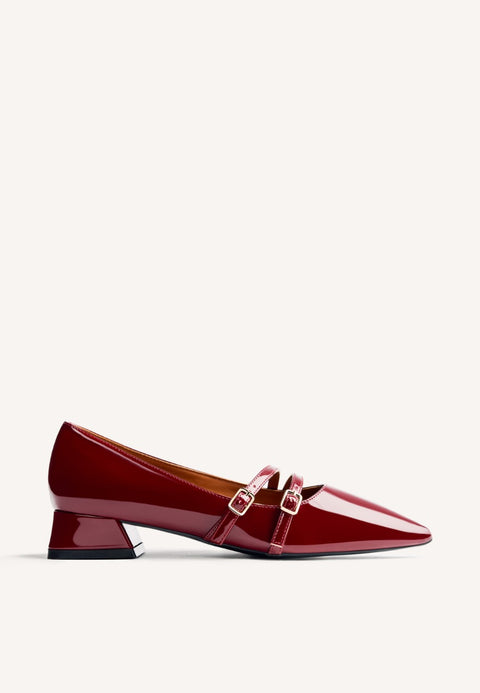
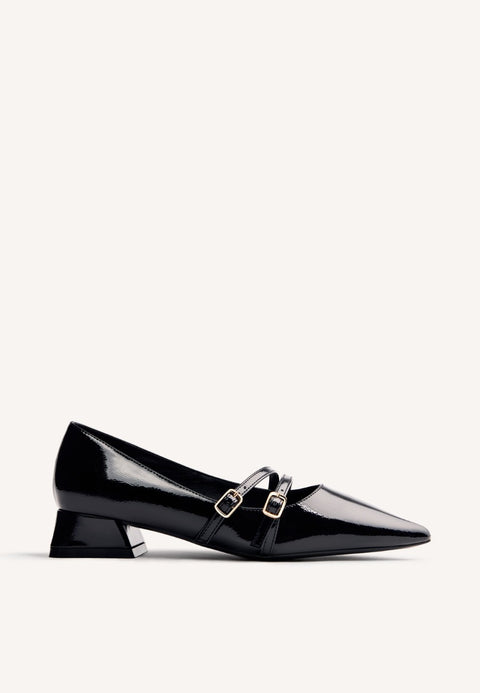
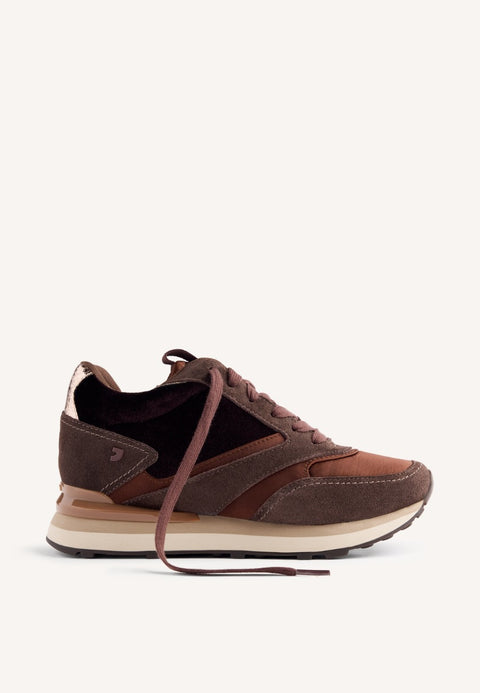
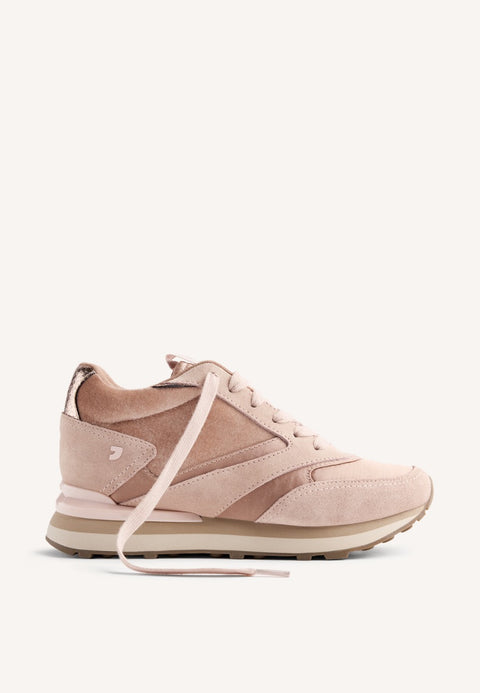
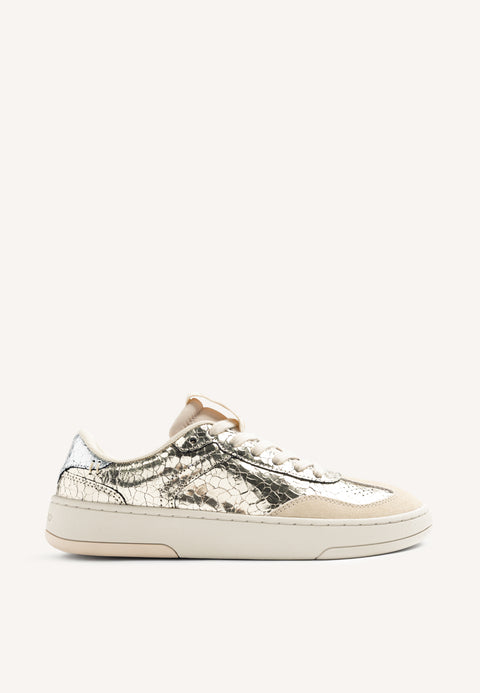
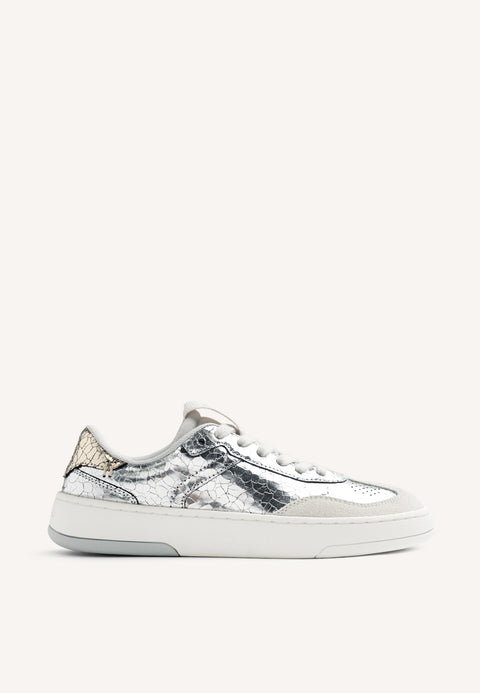
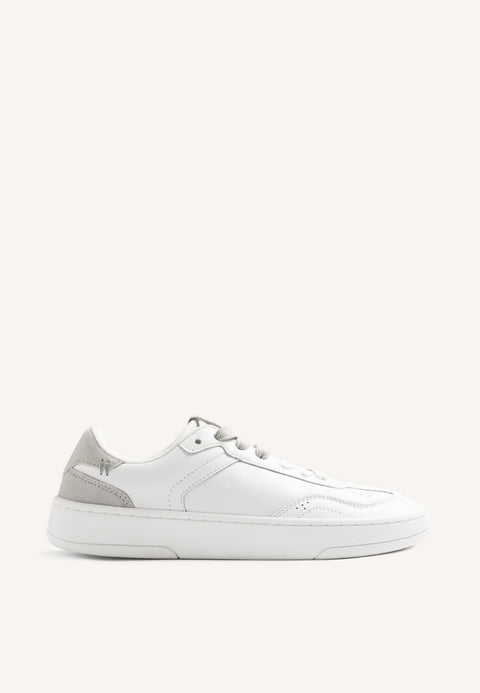
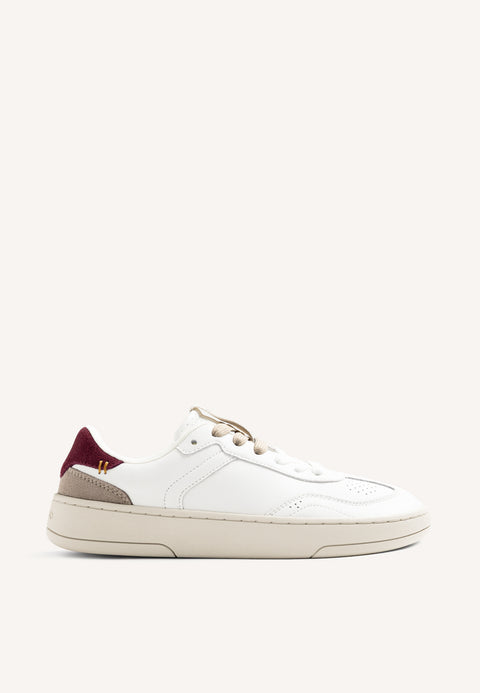
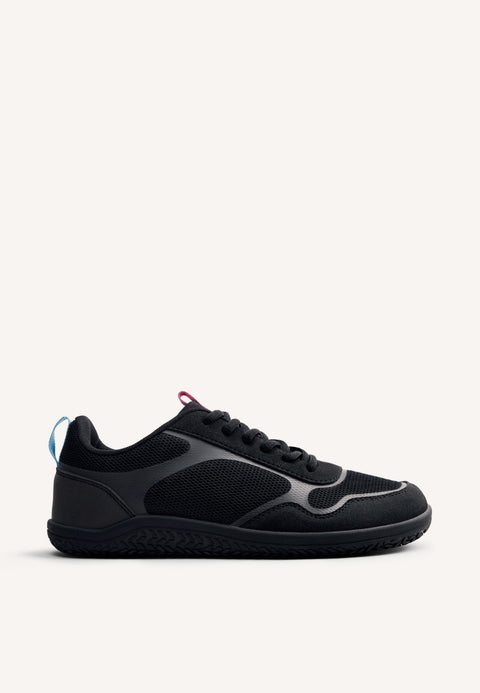
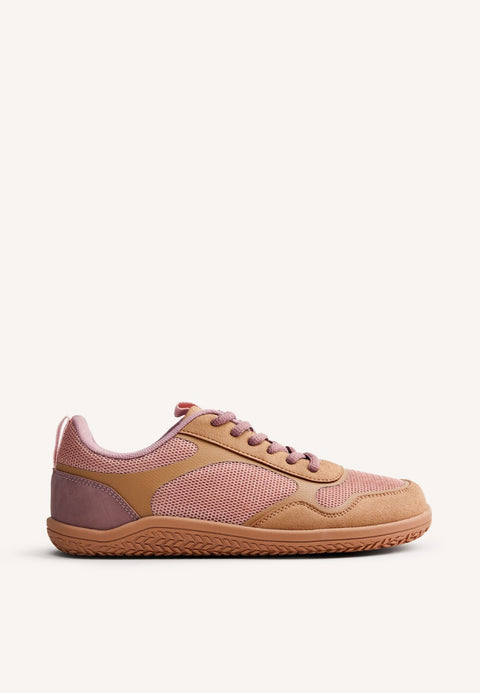
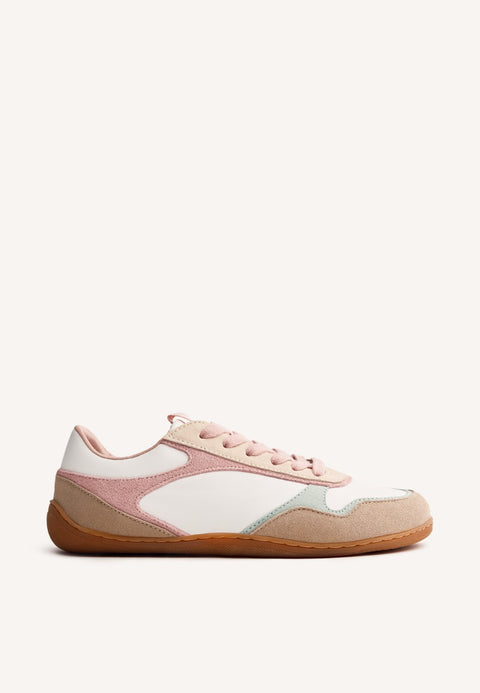
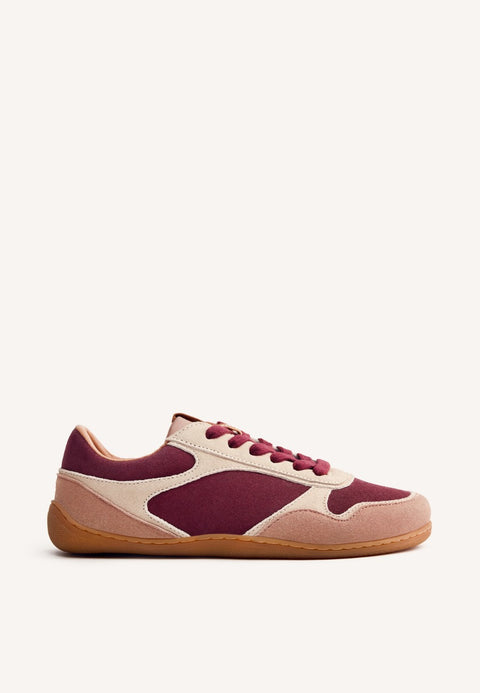
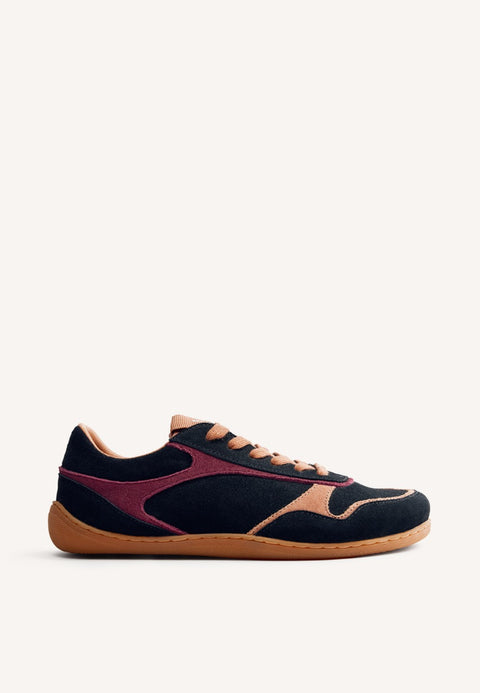
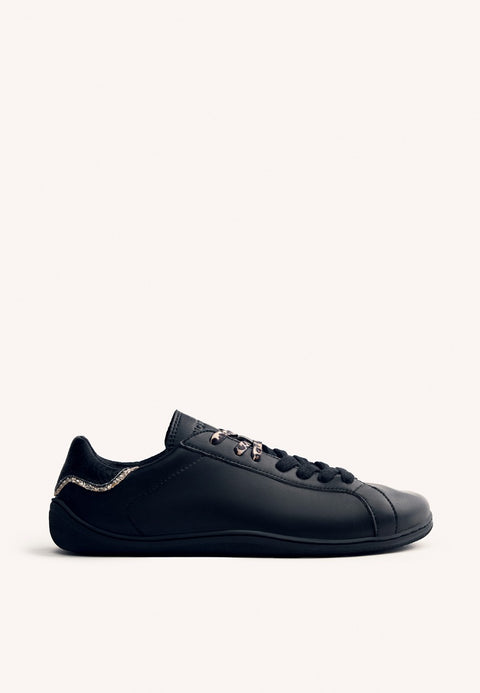
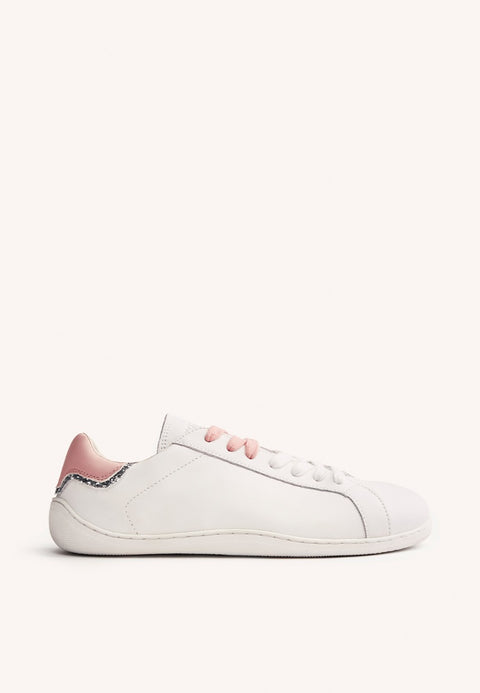
What if a shoe could help you walk naturally, as if you were barefoot? Gioseppo’s barefoot shoe collection is designed for women who seek freedom of movement, comfort, and style in their everyday life.

Comfortable barefoot shoes that respect your feet

Barefoot shoes are designed to respect the natural shape and movement of the foot. Thanks to their thin and flexible sole, your foot muscles are activated with every step, improving balance and reducing fatigue.

Their ergonomic structure allows your toes to move freely, without pressure or restrictions. This promotes a more conscious and healthy stride, perfect for those looking for footwear that cares for your well-being from the ground up.

Buy barefoot shoes for everyday use

Gioseppo’s barefoot shoes are ideal for accompanying you every day. Whether walking around the city, standing at work, or simply enjoying a comfortable stroll, our models adapt to your pace without sacrificing style.

Made with lightweight and breathable materials, these shoes provide a soft, flexible fit that suits any occasion. In addition, their clean and versatile design pairs easily with all kinds of looks, from casual to urban styles.

Minimalist and flexible barefoot shoes

Less is more. The minimalist and flexible design of barefoot shoes allows a more direct connection with the ground and better muscle activation. Their lightness gives you the feeling of walking barefoot, but with just the right protection for everyday life.

Each pair is designed to last, adapt to the foot, and offer freedom without compromising on aesthetics. If you are looking for barefoot shoes that combine functionality, design, and respect for your body, this collection is made for you.

Frequenly questions

What is the difference between barefoot running and more structured footwear?

Barefoot footwear aims to offer the foot greater freedom of movement to provide a walking experience closer to walking barefoot, whilst structured footwear incorporates more support and cushioning to soften the impact of each step.
This model features a flat, flexible sole, a wide toe box and no rigid structures – characteristics that define it as barefoot footwear.

What does ‘zero drop’ mean?

Zero drop means there is no difference in height between the heel and the forefoot.
In this model, the drop is 0 mm, so the heel is not raised above the front of the foot.

Is the sole flexible?

Yes. The sole of this model is designed to allow the foot to flex more easily than a conventional sole.

Does it have any stiffeners or rigid reinforcements?

This model does not feature any stiffeners or rigid reinforcements that might act as a splint on the foot. Its construction is designed to follow the foot’s movement, whilst maintaining the flexibility associated with this model.

Why is the toe box wider?

The toe box is wider to provide space for the toes and allow them to be positioned and move more freely inside the shoe.
The last for this model has been designed with this characteristic of barefoot footwear in mind.

Is the insole removable?

Yes. The insole of this model can be removed from inside the shoe. This means it can be easily removed for cleaning, airing or replacement when necessary.

Should I choose my usual size?

With barefoot footwear, it is particularly important to check the length of your foot to ensure there is the recommended space between your toes and the front of the shoe.
We recommend measuring both feet and using the measurement of the longer foot as a guide. Then, look up that measurement in our size guide to find out which size to choose.
There is no need to add extra centimetres to your foot measurement to achieve the recommended space. This space is already factored into our size guide. Therefore, you simply need to find your foot length in the table and choose the corresponding size.

How should I measure my foot?

To measure the length of your foot, place your bare heel against the wall and measure from the longest toe to the heel. Then, measure the distance between the two points. You can place your foot on a sheet of paper to mark this out and then measure it.
Do this for both feet, as there may be slight differences. Use the measurement of your longest foot as a reference.
Once you have the length, look it up in the size guide.
There is no need to add extra centimetres to your foot measurement to allow for the recommended fit allowance. This allowance is already factored into our size guide. Therefore, you simply need to find your foot length in the table and choose the corresponding size.

Can I wear barefoot shoes if I’ve never worn them before?

You can wear barefoot shoes even if you’ve previously worn conventional footwear, but the feel may be different, particularly due to the zero heel-to-toe drop, the flexibility of the sole, the wide toe box and the minimal structure.
If you’re not used to this type of footwear, we recommend that you get used to them gradually and pay attention to how they feel whilst wearing them.

What sort of occasions are barefoot shoes recommended for?

This style can be part of your everyday life and suits a range of styles and occasions, from casual, relaxed looks to more sophisticated outfits. Its versatile design means it can easily be incorporated into different parts of your daily routine and complement a wide variety of outfits.